
Payments

Payments

Debit Cards at Online Casinos: A Practical Beginner’s Guide

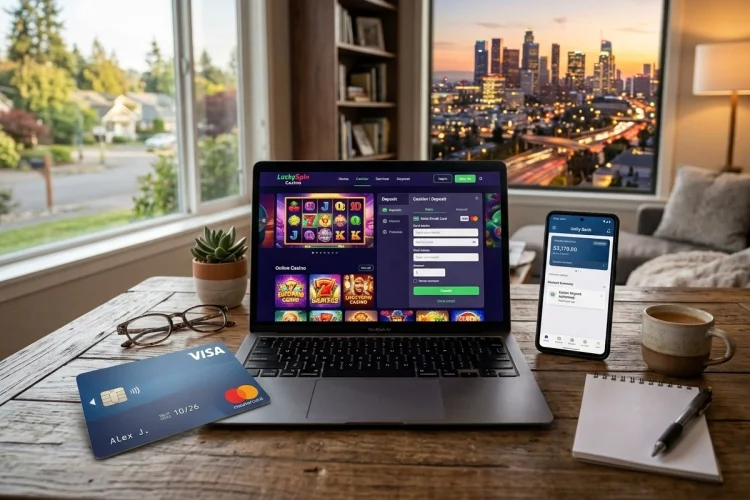
Paying with a debit card feels familiar because it works much like an ordinary online purchase. Enter the card details, approve the transaction, and the deposit may appear in the casino balance shortly afterward.

However, using Debit Cards at Online Casinos involves more than completing a payment form. Your bank may decline gambling transactions, the casino may require identity checks, and a card accepted for deposits might not support withdrawals.

Processing rules also vary by operator, bank, card network, and country. Before depositing, it is worth understanding where the money comes from, what security checks may appear, and how withdrawals are handled.

A few minutes of research can prevent fees, delays, and payment problems later.

How Debit Card Deposits Work

A debit card is connected to money held in a bank or credit union account. Unlike a credit card, it normally allows you to spend funds you already have rather than borrowing from a lender.

At the casino cashier, you generally select the card option and enter your number, expiry date, security code, and deposit amount. The casino’s payment processor then sends an authorization request to the card issuer.

If approved, the amount is taken from the linked account. The transaction may appear on your statement under the casino’s name, its parent company, or a payment-processing description.

Why Players Choose Debit Cards

Convenience is the main attraction. Many people already own a Visa or Mastercard debit card, so they do not need to create an e-wallet or purchase a prepaid voucher.

Debit cards can also make spending easier to track because deposits appear in the user’s banking history. This may be helpful for anyone reviewing how much they spend on entertainment.

Still, easy access can become a disadvantage. Because the money comes directly from a checking account, repeated deposits can affect funds reserved for bills, food, or other essential expenses.

Why a Deposit May Be Declined

A declined payment does not automatically mean something is wrong with the casino. The account may have insufficient funds, the card details may be incorrect, or the bank may restrict gambling, international, or unusual online transactions.

An additional authentication screen may also appear. Visa Secure uses the EMV 3-D Secure protocol to help confirm that the person making an online card payment is the legitimate cardholder.

Do not repeatedly submit a declined transaction without checking the reason. Review the details, check your banking app, and contact the issuer through an official number when necessary.

Can You Withdraw to the Same Card?

Some casinos return withdrawals to the debit card used for the original deposit. Others may require a bank transfer or another approved payout method.

Withdrawal times are usually different from deposit times. Before releasing money, the operator may review the account, confirm payment ownership, and complete required identity or anti-fraud checks.

In Great Britain, licensed online gambling operators must verify a customer’s age and identity before allowing them to gamble. They should not delay requesting information until withdrawal when it could reasonably have been collected earlier.

Fees, Currency Conversion, and Overdrafts

The casino may advertise free debit card deposits, but that does not guarantee the entire transaction is free. Your bank may apply international transaction charges or currency-conversion costs.

An exchange-rate difference can also affect the final amount. This is especially relevant when the casino account uses a currency different from the bank account.

Overdraft settings deserve attention as well. The Consumer Financial Protection Bureau explains that a debit card purchase is generally declined when there is not enough money unless an account has relevant overdraft coverage or another linked arrangement.

How to Use a Debit Card More Safely

Confirm that the casino is legally authorized to serve your location. Check its licence through the regulator’s official register rather than trusting a logo in the website footer.

Use a strong account password, enable available authentication features, and activate transaction alerts through your banking app. Avoid entering card information through email links, unofficial apps, or messages from supposed casino representatives.

Monitor your statements regularly. If you notice an unfamiliar debit, contact the card issuer immediately using the number printed on the card or listed in the official banking app.

Set a Deposit Limit Before Playing

A debit card should not be treated as an unlimited source of casino funds. Decide on a fixed entertainment amount before logging in and keep essential money separate.

Some banks offer gambling blocks that stop qualifying payments made through an account or debit card. These controls can often be activated through online banking, a mobile app, a branch, or customer support.

A blocking tool is especially useful when taking a break or when controlling deposits has become difficult.

Debit Cards at Online Casinos offer a familiar and straightforward way to make deposits, but convenience should not replace careful checking.

Acceptance, fees, authentication, withdrawal support, and banking restrictions can differ significantly.

Before paying, verify the casino’s licence, review its cashier terms, confirm whether the card supports payouts, and understand any conversion or overdraft costs. Use only a card registered in your own name and never share authentication codes.

Most importantly, establish a firm spending limit before playing. Review your bank activity regularly and activate gambling controls whenever you need additional protection.

Payments

How to Choose Online Casino Payment Methods That Suit You

The payment method with the biggest logo or fastest deposit promise is not automatically the right choice. A good option should fit your location, budget, privacy preferences, and withdrawal needs.

That sounds simple, but casino payments involve several parties. The casino processes the request, the payment provider moves the money, and a bank or blockchain network may add another layer of approval.

This guide explains how to evaluate Online Casino Payment Methods before sending funds. Rather than naming one universal winner, it focuses on practical questions that can help players find a suitable, affordable, and manageable option.

Start With Legality and Availability

Before comparing speed or fees, confirm that online gambling is legal where you live and that the casino is licensed to accept players from your jurisdiction. A payment method being technically available does not mean the casino itself is authorised.

Payment availability can also differ by country. PayPal, Skrill, cards, prepaid services, and crypto platforms may restrict gambling transactions depending on local regulations and account conditions.

Always check the casino’s cashier page and the provider’s official terms instead of relying on an old review or forum comment.

Decide How Much Privacy You Need

Card and bank payments connect the casino transaction directly to a traditional financial account. E-wallets create an additional layer between the player and merchant.

PayPal functions as a digital wallet connected to eligible payment sources. Neteller states that merchants receiving wallet payments do not see sensitive details such as the customer’s card or bank account number.

Prepaid codes can offer another level of separation. PaysafeCard allows users to make online payments through prepaid codes without directly using a card or bank account during checkout.

Privacy does not mean anonymity. Licensed casinos may still need to verify the player’s identity.

Calculate the Total Cost

A payment advertised as free may still involve costs elsewhere. Possible charges include deposit fees, withdrawal fees, wallet-loading costs, bank-transfer charges, and foreign-exchange markups.

Currency conversion deserves particular attention. A casino account may use euros or dollars while the player’s card, wallet, or bank account uses another currency.

Compare the final amount received rather than only the displayed transaction fee. A poor exchange rate can cost more than a small fixed charge.

Check the Withdrawal Route First

Many players choose a deposit method without confirming whether it can receive payouts. This can lead to confusion when the withdrawal page shows fewer options than the deposit page.

Prepaid vouchers are a common example. They can be convenient for funding an account but may not function as a direct withdrawal destination.

Before depositing, check the casino’s eligible payout methods, minimum and maximum limits, verification requirements, and expected approval period. Using the same supported method for both directions can simplify record-keeping.

Compare Speed Realistically

Card and e-wallet deposits may be confirmed quickly, but withdrawals usually include an operator-processing stage. A casino may review identification, payment ownership, account activity, or bonus conditions before approving the payout.

PayPal notes that recipients generally receive wallet payments within minutes, but this describes movement within its payment system rather than a casino’s internal withdrawal review.

Bank transfers may take longer when different currencies, countries, or financial institutions are involved. Always separate “casino processing time” from “payment-provider transfer time.”

Understand the Risks of Crypto

Cryptocurrency may appeal to users who want cross-border transfers or do not want to use a conventional card. However, it requires careful handling.

Coinbase explains that on-chain transactions are irreversible. Funds sent to the wrong address or through the wrong blockchain network generally cannot be recovered, and network fees may apply.

Digital asset prices can also rise or fall between deposit and withdrawal. Crypto should therefore be treated as a higher-complexity payment option, not simply a faster version of cash.

Use Payment Methods as a Budgeting Tool

The best method should support financial control. A prepaid balance can create a natural spending ceiling, while a separate wallet can make casino-related transactions easier to track.

Some providers include additional safeguards. Skrill offers a gambling-block feature that prevents new wallet payments to gambling merchants once activated.

GambleAware also recommends practical financial steps such as setting spending limits and tracking expenses when gambling becomes a concern.

Watch for Payment Red Flags

Avoid any casino that asks you to send money to a personal account, communicate only through private messaging apps, or use a different beneficiary from the one shown in its official cashier.

Other warning signs include unclear fees, copied payment logos, pressure to deposit quickly, and requests to bypass standard verification. Legitimate processing should take place through the casino’s secure website.

Never share a card PIN, wallet password, one-time authentication code, or cryptocurrency recovery phrase.

Choosing between Online Casino Payment Methods involves more than finding the fastest deposit button. Players should compare legality, availability, privacy, total fees, withdrawal support, processing times, and personal budgeting needs.

Cards and wallets may offer convenience, bank transfers can suit larger transactions, prepaid options can support spending limits, and cryptocurrency provides flexibility with greater technical risk.

Review the full cashier terms before depositing and use only accounts registered in your own name. Keep gambling within a fixed entertainment budget, record every transaction, and seek support when spending becomes difficult to control.